First-Time Parents: Essentials, Sleep, Feeding & Safety
What should first time parents know?
First-time parenting comes with a steep learning curve, but a few practical priorities make the early weeks far more manageable. Focus on safety basics, feeding and sleep expectations, postpartum recovery, and building a small support system you can actually use.
Start with the essentials (and skip the rest)
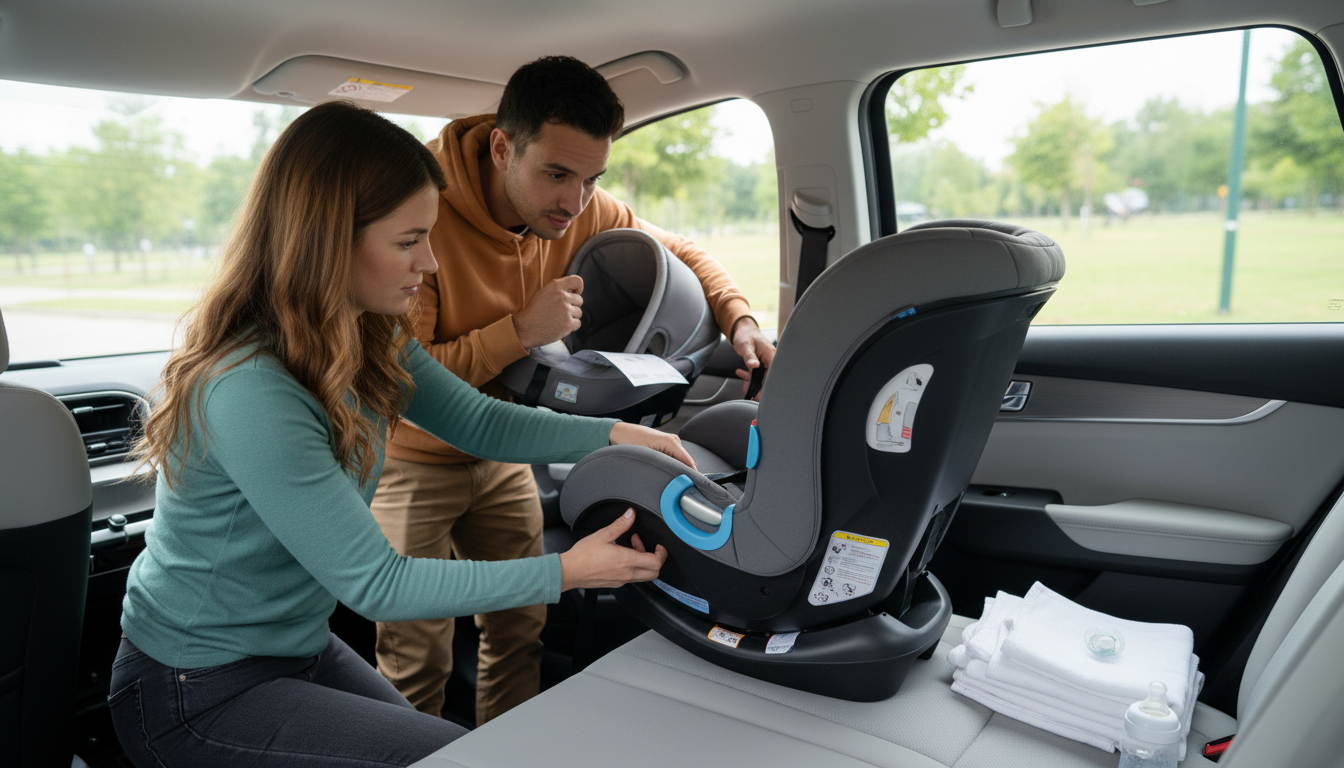
A safe sleep space, a properly installed car seat, diapers/wipes, a few weather-appropriate outfits, and a simple feeding plan cover most day-to-day needs. Many “must-have” gadgets end up unused, so it helps to wait and buy as needs become clear.
Know what “normal” looks like for newborns
Newborn sleep is irregular and often noisy. Frequent waking is common, and cluster feeding can happen even when everything is going well. Instead of aiming for a perfect schedule, aim for patterns: regular feeds, enough wet diapers, and alert moments each day.
Protect sleep by sharing the load
If possible, split nights into shifts so each adult gets a protected block of rest. Prep bottles or pumping supplies in advance, keep nighttime lighting dim, and set up a simple changing station close to where the baby sleeps.
Feeding: flexible plans beat rigid rules
Whether breast, formula, or combination feeding, the goal is a well-fed baby and a sustainable routine. Track output (wet/dirty diapers) and weight checks with your pediatrician, and ask for lactation or feeding support early if something feels off.
Postpartum recovery matters
Physical healing, hormones, and emotions can be intense. Accept help with meals and chores, keep follow-up appointments, and take mood changes seriously—especially if sadness, anxiety, rage, or detachment lasts more than two weeks or interferes with daily life.
Have a simple safety checklist
Back sleeping on a firm, flat surface; no loose blankets or pillows; and smoke-free air are key. Learn infant CPR, keep emergency numbers handy, and call your pediatrician for fever in a young infant or any signs of breathing trouble.
For a deeper, step-by-step guide, visit What should first time parents know?.
FAQ
How can new parents prepare for the first night home?
Set up one “baby station” with diapers, wipes, swaddles, and feeding supplies, and keep it within arm’s reach. Plan sleep shifts, stock easy snacks and water, and write down your pediatrician’s after-hours number before you need it.












Leave a comment