Newborn Care Basics: Safe Sleep, Feeding, Diapers
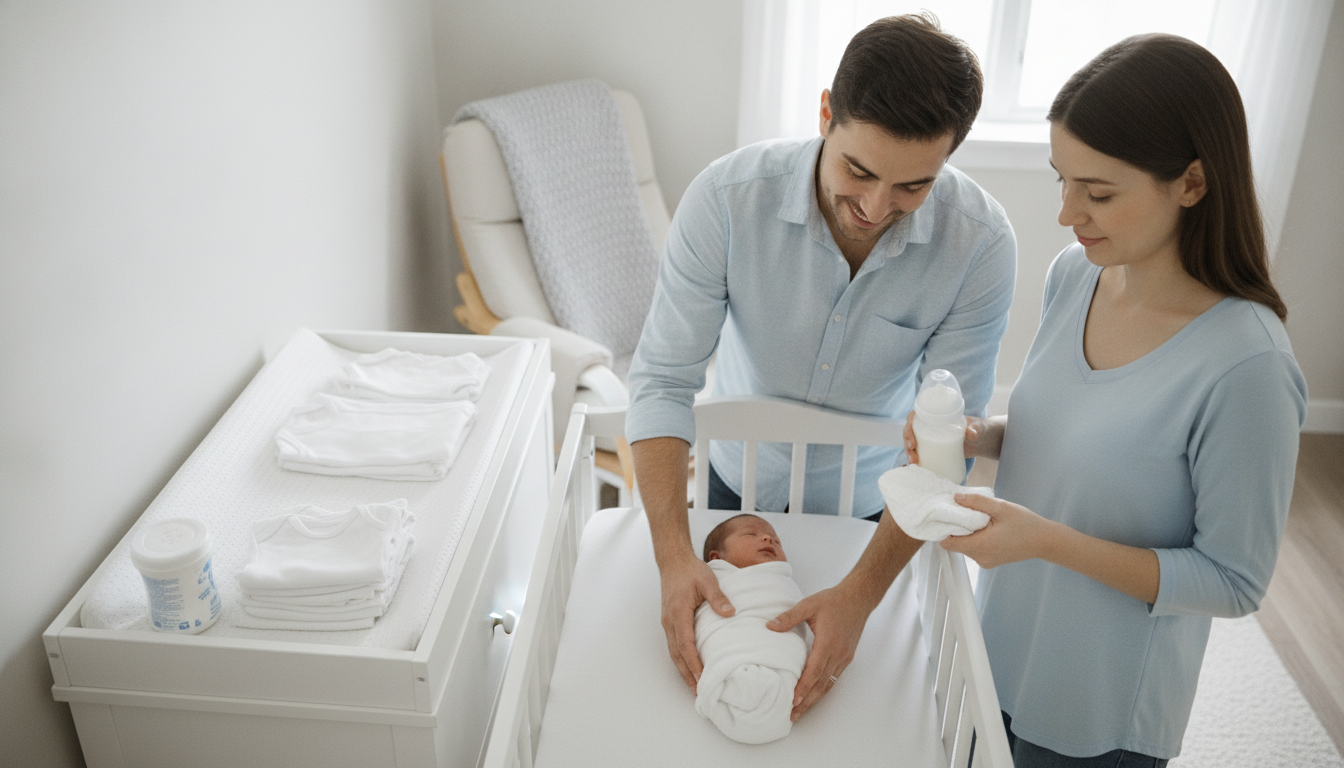
What are the most important newborn care basics first time parents should learn before bringing baby home?
Before you walk through the door with your baby, it helps to have a few practical newborn care basics down cold: safe sleep, feeding cues, diapering, soothing, hygiene, and when to call your pediatrician. These fundamentals make the first days feel less like guesswork and more like a simple routine you can repeat.
Safe sleep setup (the non-negotiables)
Plan for baby to sleep on their back on a firm, flat mattress in a safety-approved crib or bassinet. Keep the sleep space empty—no pillows, loose blankets, bumpers, or stuffed animals. Dress baby in a wearable blanket or sleep sack if extra warmth is needed, and share a room (not a bed) for the early months.
Feeding basics and early hunger cues
Newborns feed often, whether breastfed or formula-fed. Learn hunger cues like rooting, hand-to-mouth movements, and lip smacking—crying is usually a late sign. Track wet/dirty diapers and weight checks with your pediatrician to confirm baby is getting enough. If you’re using formula, follow mixing directions exactly and avoid diluting to “stretch” it.
Diapering and skin care
Expect frequent diaper changes. Clean gently, allow skin to dry, and use a barrier ointment if irritation starts. With circumcision care (if applicable) or umbilical stump care, follow hospital/pediatrician instructions; keep the area clean and dry and watch for increasing redness, swelling, or foul-smelling drainage.
Soothing, burping, and normal newborn behavior
Many babies like repetition: swaddling (if done safely), gentle rocking, white noise, and pacifiers can help. Burp during and after feeds if baby seems uncomfortable. It’s also normal for newborns to have hiccups, sneeze, and make noisy breathing sounds—what matters is how they look and act (pink color, good tone, feeding well).
Know the “call now” warning signs
Ask your pediatrician what to do for fever, poor feeding, fewer wet diapers, breathing trouble, or unusual sleepiness. Have the office number and after-hours line saved before you deliver.
For a deeper checklist and practical tips, visit the full guide here: https://finestchoicesspot.shop/what-are-the-most-important-newborn-care-basics-first-time-parents-should-learn-before-bringing-baby-home/.
FAQ
What should I pack in a diaper bag for the first pediatrician visit?
Bring diapers, wipes, a changing pad, extra baby clothes, a blanket, feeding supplies, and a sealed bag for dirty items. Add your insurance card, any hospital paperwork, and a list of questions for the doctor.











Leave a comment